News
Hispanic Heritage Month: Hear from Valeria Valbuena, MD, MSc
Why did you decide to pursue transplant?
As a medical student, I never considered transplant despite my exposure to the field. It did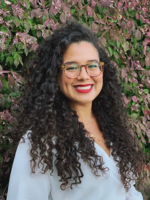 not seem like a right fit. This changed very quickly when I started residency at the University of Michigan. Although I was fortunate to have many great teachers and mentors there, the transplant group at UM are known as the best technical teachers in the program, and they really embraced me and nurtured my love for the field early on. I remember going on my first organ procurement as an intern and being overcome with the sense of purpose of the whole endeavor. I loved the patients, the team, and the in depth discussions we had about every aspect of patient care. Everyone brings their A-game to transplant, and I just wanted to be a part of it. It was not a hard sell.
Who has been your biggest influence?
My mom, always. She is the anchor to my heritage and the one who does not let me forget where I came from or why I am here. I call her every time I have a hard day, and she grounds me and reminds me of my dreams.
Professionally, Seth Waits, Mike Englesbe, and Lisa McElroy are the giants I model myself after. Seth and Lisa were the transplant fellows at Michigan when I was an intern, and their parallel journeys through our field are very inspiring to me.
What does being Hispanic/Latina mean to you?
Last year, I hit the “halfway” point when I realized I have lived in the US longer than I lived in Colombia, where I am from. It was a bittersweet moment, because although my life and career are here, my heart and the foundation of who I am are rooted on my upbringing in Colombia. Being a Latina, bi-cultural surgeon informs my research and clinical priorities. I am strongly committed to representing our community well, opening doors for minority learners, and expanding access to care to underserved patients.
Can you share a particular experience where your cultural background positively impacted a patient's outcome?
Being bilingual and bicultural has been an incredible asset during my career. There have been many times when my ability to communicate with patients and their families not only in our shared language but with some degree of common understanding for our shared values has allowed me to provide better care.
During my fellowship, I have spent about one fourth of my clinical time taking care of children and their families at Lurie Children’s Hospital in Chicago. Many of these families are Spanish speaking only and are facing one of the hardest things - having a sick child who needs major surgery. Regardless of what I can offer to them as a surgeon, being able to have conversations with these families about the health of their child, checking on them every morning without an interpreter, and representing the transplant team in a very accessible way has been the highlight of my fellowship, and something I think has made a difference for these patients.
What is a key takeaway you'd like to highlight during Hispanic Heritage Month
Despite the current political and funding landscape, the pressing needs of patients from my community have not changed. This is the time to find inventive ways to continue the fight against healthcare disparities in transplantation. It is critical for our field to continue to recognize this as a priority so Hispanic patients, and those of other underserved backgrounds can continue to gain access to the gift of life.