Events
News
Hispanic Heritage Month: Hear from Raul Badell, MD
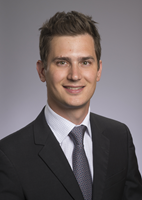 Dr. Raul Badell is an Associate Professor, Division of Transplantation at Emory University School of Medicine. His clinical interests include kidney and pancreas transplantation and his research interests include basic immunology and clinical trial investigations.
What inspired you to choose a career in transplant and how did your Hispanic heritage influence that decision?
I was inspired to pursue a career in transplant surgery based on the marvelous combination of surgery and science the field had to offer, along with admirable mentors in the field and the opportunity for an academic and clinical career path that encompassed caring for a heterogenous patient population - one that varies in age, disease etiologies and cultural/ethnic distribution, inclusive of underserved Hispanic and Spanish speaking patients.
Can you share a particular experience where your cultural background positively impacted a patient’s outcome?
I’ve observed Hispanic patients like other minorities often feel isolated or marginalized from mainstream healthcare due to culture, educational and/or language barriers. My understanding of the culture and language ability as a native Spanish speaker has allowed me to often bridge the gaps in transplant experienced by Hispanic patients.
A number of years back I accepted a deceased donor kidney for a non-English speaking Mexican woman with many years of dialysis time. She was a humble woman, still working full time despite being stuck on dialysis for more years than was fair due to her documentation status. She was accompanied by her husband when I met her pre-operatively, also a humble man with signs of working as a laborer. They were both of questionable literacy and frightened and overwhelmed with the admission and prospect of getting an elusive transplant, almost to the point of doubting whether they should proceed. Despite all indicators telling me otherwise, I introduced myself in English to avoid presumption regarding their status, but immediately shifted into Spanish once I appreciated their guarded apprehension. The second I spoke to them in Spanish, using the informal Spanish that only a native speaker culturally in tune with them could use, their fear and anxiety immediately dissipated and they quickly gathered the courage and confidence to take on the challenges (and benefits) a transplant would bring.
I went on to successfully transplant her, and when I updated her husband in the waiting area, he was now accompanied by their two young daughters. As I explained to them that the kidney transplant had gone well and that it had begun to make urine and she should be done with years of dialysis, he first questioned me with disbelief. But as reality set in, he tearfully told his daughters it was true, their mom had been cured. The most pure and beautiful expression of gratitude I can ever recall came from those two little girls, as they were too overwhelmed to speak or thank me in Spanish, they instinctively skipped all the formalities and ran towards me and both hugged each of my legs as if I were a member of their family mumbling “gracias por mi mami.”
My Venezuelan background and ability to communicate with this patient and family in spoken and unspoken ways connected them to a foreign process that they would need to embrace for post-transplant success.
In what ways do you think the transplant field could benefit from more Hispanic perspectives and leadership?
The Hispanic and Spanish speaking community in the US continues to grow but remains largely underserved. To overcome the marginalization many experience, more Hispanic perspectives and leadership within the field offer enhanced cultural and language understanding needed to be more inclusive, improve engagement and better address the growing unmet need.
Have you had any mentors who have significantly impacted your career? What impact did they have?
Like everyone in my position, I have greatly benefited from several mentors. Although my specific mentors have not directly shared my same cultural background, they have embodied the principles of inclusivity, compassion and understanding that facilitate embracing diverse heritages needed to best meet our diverse patient needs.
What does being a Hispanic transplant surgeon mean to you?
Being a transplant surgeon blesses me with the opportunity to be a small part of the daily miracles we all participate in and contribute to routinely. Also being Venezuelan and of Hispanic heritage means I have the opportunity to extend and connect our craft to a broader audience while enhancing their experience.
What is a key takeaway you'd like to highlight during Hispanic Heritage Month?
Our field and society face ongoing challenges to best meet the needs of our patients to maximize their health, celebrating different heritages that enhance the care of our diverse patient populations diversifies transplantation, making it more humane so that it can better serve all patients with end organ failure.
Hispanic Heritage Month: Hear from Raul Badell, MD
Dr. Raul Badell is an Associate Professor, Division of Transplantation at Emory University School of Medicine. His clinical interests include kidney and pancreas transplantation and his research interests include basic immunology and clinical trial investigations.
What inspired you to choose a career in transplant and how did your Hispanic heritage influence that decision?
I was inspired to pursue a career in transplant surgery based on the marvelous combination of surgery and science the field had to offer, along with admirable mentors in the field and the opportunity for an academic and clinical career path that encompassed caring for a heterogenous patient population - one that varies in age, disease etiologies and cultural/ethnic distribution, inclusive of underserved Hispanic and Spanish speaking patients.
Can you share a particular experience where your cultural background positively impacted a patient’s outcome?
I’ve observed Hispanic patients like other minorities often feel isolated or marginalized from mainstream healthcare due to culture, educational and/or language barriers. My understanding of the culture and language ability as a native Spanish speaker has allowed me to often bridge the gaps in transplant experienced by Hispanic patients.
A number of years back I accepted a deceased donor kidney for a non-English speaking Mexican woman with many years of dialysis time. She was a humble woman, still working full time despite being stuck on dialysis for more years than was fair due to her documentation status. She was accompanied by her husband when I met her pre-operatively, also a humble man with signs of working as a laborer. They were both of questionable literacy and frightened and overwhelmed with the admission and prospect of getting an elusive transplant, almost to the point of doubting whether they should proceed. Despite all indicators telling me otherwise, I introduced myself in English to avoid presumption regarding their status, but immediately shifted into Spanish once I appreciated their guarded apprehension. The second I spoke to them in Spanish, using the informal Spanish that only a native speaker culturally in tune with them could use, their fear and anxiety immediately dissipated and they quickly gathered the courage and confidence to take on the challenges (and benefits) a transplant would bring.
I went on to successfully transplant her, and when I updated her husband in the waiting area, he was now accompanied by their two young daughters. As I explained to them that the kidney transplant had gone well and that it had begun to make urine and she should be done with years of dialysis, he first questioned me with disbelief. But as reality set in, he tearfully told his daughters it was true, their mom had been cured. The most pure and beautiful expression of gratitude I can ever recall came from those two little girls, as they were too overwhelmed to speak or thank me in Spanish, they instinctively skipped all the formalities and ran towards me and both hugged each of my legs as if I were a member of their family mumbling “gracias por mi mami.”
My Venezuelan background and ability to communicate with this patient and family in spoken and unspoken ways connected them to a foreign process that they would need to embrace for post-transplant success.
In what ways do you think the transplant field could benefit from more Hispanic perspectives and leadership?
The Hispanic and Spanish speaking community in the US continues to grow but remains largely underserved. To overcome the marginalization many experience, more Hispanic perspectives and leadership within the field offer enhanced cultural and language understanding needed to be more inclusive, improve engagement and better address the growing unmet need.
Have you had any mentors who have significantly impacted your career? What impact did they have?
Like everyone in my position, I have greatly benefited from several mentors. Although my specific mentors have not directly shared my same cultural background, they have embodied the principles of inclusivity, compassion and understanding that facilitate embracing diverse heritages needed to best meet our diverse patient needs.
What does being a Hispanic transplant surgeon mean to you?
Being a transplant surgeon blesses me with the opportunity to be a small part of the daily miracles we all participate in and contribute to routinely. Also being Venezuelan and of Hispanic heritage means I have the opportunity to extend and connect our craft to a broader audience while enhancing their experience.
What is a key takeaway you'd like to highlight during Hispanic Heritage Month?
Our field and society face ongoing challenges to best meet the needs of our patients to maximize their health, celebrating different heritages that enhance the care of our diverse patient populations diversifies transplantation, making it more humane so that it can better serve all patients with end organ failure.
Hispanic Heritage Month: Hear from Raul Badell, MD
Dr. Raul Badell is an Associate Professor, Division of Transplantation at Emory University School of Medicine. His clinical interests include kidney and pancreas transplantation and his research interests include basic immunology and clinical trial investigations.
What inspired you to choose a career in transplant and how did your Hispanic heritage influence that decision?
I was inspired to pursue a career in transplant surgery based on the marvelous combination of surgery and science the field had to offer, along with admirable mentors in the field and the opportunity for an academic and clinical career path that encompassed caring for a heterogenous patient population - one that varies in age, disease etiologies and cultural/ethnic distribution, inclusive of underserved Hispanic and Spanish speaking patients.
Can you share a particular experience where your cultural background positively impacted a patient’s outcome?
I’ve observed Hispanic patients like other minorities often feel isolated or marginalized from mainstream healthcare due to culture, educational and/or language barriers. My understanding of the culture and language ability as a native Spanish speaker has allowed me to often bridge the gaps in transplant experienced by Hispanic patients.
A number of years back I accepted a deceased donor kidney for a non-English speaking Mexican woman with many years of dialysis time. She was a humble woman, still working full time despite being stuck on dialysis for more years than was fair due to her documentation status. She was accompanied by her husband when I met her pre-operatively, also a humble man with signs of working as a laborer. They were both of questionable literacy and frightened and overwhelmed with the admission and prospect of getting an elusive transplant, almost to the point of doubting whether they should proceed. Despite all indicators telling me otherwise, I introduced myself in English to avoid presumption regarding their status, but immediately shifted into Spanish once I appreciated their guarded apprehension. The second I spoke to them in Spanish, using the informal Spanish that only a native speaker culturally in tune with them could use, their fear and anxiety immediately dissipated and they quickly gathered the courage and confidence to take on the challenges (and benefits) a transplant would bring.
I went on to successfully transplant her, and when I updated her husband in the waiting area, he was now accompanied by their two young daughters. As I explained to them that the kidney transplant had gone well and that it had begun to make urine and she should be done with years of dialysis, he first questioned me with disbelief. But as reality set in, he tearfully told his daughters it was true, their mom had been cured. The most pure and beautiful expression of gratitude I can ever recall came from those two little girls, as they were too overwhelmed to speak or thank me in Spanish, they instinctively skipped all the formalities and ran towards me and both hugged each of my legs as if I were a member of their family mumbling “gracias por mi mami.”
My Venezuelan background and ability to communicate with this patient and family in spoken and unspoken ways connected them to a foreign process that they would need to embrace for post-transplant success.
In what ways do you think the transplant field could benefit from more Hispanic perspectives and leadership?
The Hispanic and Spanish speaking community in the US continues to grow but remains largely underserved. To overcome the marginalization many experience, more Hispanic perspectives and leadership within the field offer enhanced cultural and language understanding needed to be more inclusive, improve engagement and better address the growing unmet need.
Have you had any mentors who have significantly impacted your career? What impact did they have?
Like everyone in my position, I have greatly benefited from several mentors. Although my specific mentors have not directly shared my same cultural background, they have embodied the principles of inclusivity, compassion and understanding that facilitate embracing diverse heritages needed to best meet our diverse patient needs.
What does being a Hispanic transplant surgeon mean to you?
Being a transplant surgeon blesses me with the opportunity to be a small part of the daily miracles we all participate in and contribute to routinely. Also being Venezuelan and of Hispanic heritage means I have the opportunity to extend and connect our craft to a broader audience while enhancing their experience.
What is a key takeaway you'd like to highlight during Hispanic Heritage Month?
Our field and society face ongoing challenges to best meet the needs of our patients to maximize their health, celebrating different heritages that enhance the care of our diverse patient populations diversifies transplantation, making it more humane so that it can better serve all patients with end organ failure.
Cards

Card - Card Template
Lorem ipsum dolor sit amet, consectetur adipiscing elit, sed do eiusmod tempor incididunt ut labore
Call To Action
Card - Cardstyle 1
Lorem ipsum dolor sit amet, consectetur adipiscing elit, sed do eiusmod tempor incididunt ut labore
Card - Text Over BG
Lorem ipsum dolor sit amet, consectetur adipiscing elit, sed do eiusmod tempor incididunt ut labore
Call To ActionCard Hero
Lorem ipsum dolor sit amet, consectetur adipiscing elit, sed do eiusmod tempor incididunt ut labore
Call To ActionLists
2022 Redesign
-
Lorem ipsum dolor
-
Duis aute irure dolor
-
Excepteur sint occaecat
-
Sed ut perspiciatis
-
Lorem ipsum dolor
-
Duis aute irure dolor
-
Excepteur sint occaecat
-
Sed ut perspiciatis