Events
News
Heritage Month: Hear from Talal Al-Qaoud, MD, FRCSC
What inspired you to choose a career in transplant? 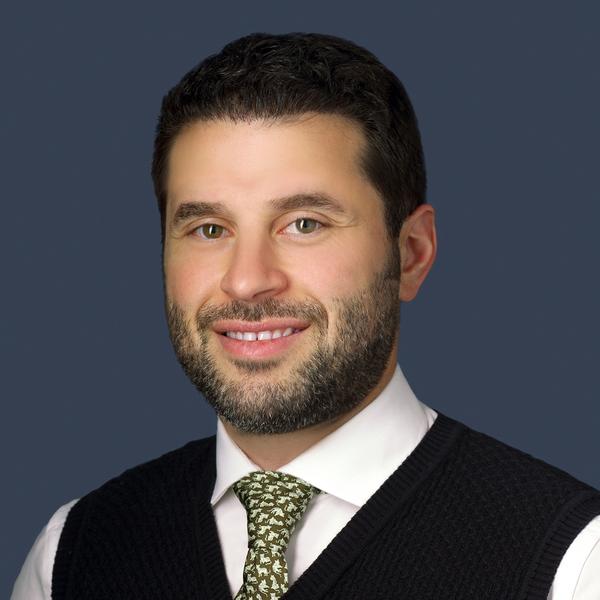
My path to transplant surgery was shaped by both personal experience and clinical exposure. At a young age, I witnessed the transformative impact of transplantation when my aunt underwent a liver transplant and later when my uncle received a heart transplant. These experiences showed me the profound potential of transplantation to restore life and function. In contrast, I also witnessed my grandmother’s gradual decline while on dialysis, which highlighted the limitations of alternative therapies and the urgency of improving access to transplantation
These experiences stayed with me throughout my training. During my first year of residency, I was drawn to caring for the sickest patients, where the stakes were highest and the opportunity to make a meaningful difference was immediate. Transplantation ultimately stood out as a field unlike any other—it represents a true “circle of life,” where one individual’s gift allows another to live. At the same time, I was drawn to the technical breadth of the field. The operative and reconstructive principles of transplantation provide a unique foundation for managing complex surgical problems, including advanced retroperitoneal and urologic oncologic cases. This intersection between transplantation and complex oncologic surgery further solidified my decision to pursue this field.
Who has been your biggest influence?
My parents have been the most influential figures in my journey. They supported my ambitions unconditionally and encouraged me to pursue opportunities for growth, even when that meant training and living far from home. Their willingness to support that path—despite the distance—gave me the confidence to seek out diverse experiences across different institutions and countries. That foundation has shaped my resilience, perspective, and commitment to excellence.
Along this path, I was fortunate to train under exceptional mentors in transplant surgery, urology, and general surgery. Their passion and dedication instilled in me the importance of technical mastery, sound clinical judgment, and, above all, the human aspect of patient care. As the saying goes, “I am indebted to my father for living, but to my teacher for living well.”
What does being Middle Eastern/Arabic mean to you?
Being Middle Eastern/Arab is a central part of my identity and reflects values of family, resilience, generosity, and perseverance. I was born and raised in Kuwait—a relatively small country in the region, yet one distinguished by its longstanding commitment to humanitarian aid and meaningful global contributions. I was raised to value kindness, generosity, and selflessness, alongside a strong emphasis on education, hard work, and the pursuit of opportunity wherever it may lead.
These principles shaped my path in medicine and led me to train and work across different countries and healthcare systems. This journey has provided me with a broader perspective on healthcare, particularly the disparities in access to advanced surgical care such as transplantation and oncology. I also had the opportunity to return home and contribute to my community, where I witnessed firsthand the challenges in delivering complex medical care. From collaborating with leading regional centers such as King Faisal Specialist Hospital in Riyadh to expand access to liver transplantation, to helping establish a pancreas transplant program and caring for pediatric patients who would otherwise require treatment abroad, these experiences highlighted the impact of societal and cultural factors on healthcare delivery.
They have reinforced my commitment to improving access, advancing surgical innovation, and contributing to a field that is inherently global. In my work as a transplant surgeon, I carry these values forward through patient care, collaboration, and mentorship.
Are there cultural relationships/impressions within your community about organ donation or transplantation that you’d like others to understand better?
There are still misconceptions within parts of the Middle Eastern and Arab communities regarding organ donation, often related to religious concerns or limited understanding of the process. In many cases, these perceptions reflect gaps in awareness rather than true opposition.
One dynamic I have observed is that families are often extraordinarily willing to pursue living donation—where a sibling or parent will step forward without hesitation—yet there can be more hesitation around deceased donation or registering as an organ donor. This reflects a deeply rooted cultural value of personal responsibility and sacrifice for one’s family, while also highlighting an opportunity to expand understanding of deceased donation as a continuation and alignment of those same values.
Importantly, organ donation is supported by many religious scholars and aligns with the fundamental principle of saving lives. As transplant professionals, we have a responsibility to engage communities through culturally informed education, build trust, and collaborate with religious scholars and respected community leaders to help bridge this gap and improve access to transplantation.
Can you share experiences where your cultural background positively impacted a patient’s outcome?
I have had several instances where sharing a cultural background helped build trust with patients and their families, particularly when navigating complex and emotionally challenging decisions such as transplantation. At MedStar Georgetown Transplant Institute, we frequently care for international patients, and I have found that culturally familiar communication can significantly enhance trust and reassurance for both patients and their families.
In one case, I cared for a patient from a Middle Eastern background who was initially hesitant to proceed with transplantation due to cultural and religious concerns. Being able to communicate in a shared language, and with an understanding of similar values, beliefs, and traditions, created an immediate sense of trust and comfort. This connection facilitated more open dialogue, greater family engagement, and a clearer understanding of the risks and benefits of treatment. As a result, the patient felt more confident moving forward with surgery, and we were able to align the care plan with both the patient’s values and medical needs. This experience reinforced the importance of cultural understanding in supporting informed decision-making and improving outcomes in transplant medicine.
What does it mean to you to share your story during Arab American Heritage Month?
Sharing my story during Arab American Heritage Month is both a reflection and a responsibility. While I am proud and privileged to practice in one of the most advanced healthcare systems in the world, it remains deeply important for me to stay connected to my community and contribute meaningfully, regardless of distance.
Through education, mentorship, and advocacy, I hope to raise awareness about organ donation and transplantation, particularly within Middle Eastern communities where gaps in understanding still exist. Transplantation represents a powerful “circle of life,” one that transcends language, religion, faith, and cultural boundaries. Sharing that message and helping foster greater understanding and trust, is something I value deeply.
Heritage Month: Hear from Talal Al-Qaoud, MD, FRCSC
What inspired you to choose a career in transplant?
My path to transplant surgery was shaped by both personal experience and clinical exposure. At a young age, I witnessed the transformative impact of transplantation when my aunt underwent a liver transplant and later when my uncle received a heart transplant. These experiences showed me the profound potential of transplantation to restore life and function. In contrast, I also witnessed my grandmother’s gradual decline while on dialysis, which highlighted the limitations of alternative therapies and the urgency of improving access to transplantation
These experiences stayed with me throughout my training. During my first year of residency, I was drawn to caring for the sickest patients, where the stakes were highest and the opportunity to make a meaningful difference was immediate. Transplantation ultimately stood out as a field unlike any other—it represents a true “circle of life,” where one individual’s gift allows another to live. At the same time, I was drawn to the technical breadth of the field. The operative and reconstructive principles of transplantation provide a unique foundation for managing complex surgical problems, including advanced retroperitoneal and urologic oncologic cases. This intersection between transplantation and complex oncologic surgery further solidified my decision to pursue this field.
Who has been your biggest influence?
My parents have been the most influential figures in my journey. They supported my ambitions unconditionally and encouraged me to pursue opportunities for growth, even when that meant training and living far from home. Their willingness to support that path—despite the distance—gave me the confidence to seek out diverse experiences across different institutions and countries. That foundation has shaped my resilience, perspective, and commitment to excellence.
Along this path, I was fortunate to train under exceptional mentors in transplant surgery, urology, and general surgery. Their passion and dedication instilled in me the importance of technical mastery, sound clinical judgment, and, above all, the human aspect of patient care. As the saying goes, “I am indebted to my father for living, but to my teacher for living well.”
What does being Middle Eastern/Arabic mean to you?
Being Middle Eastern/Arab is a central part of my identity and reflects values of family, resilience, generosity, and perseverance. I was born and raised in Kuwait—a relatively small country in the region, yet one distinguished by its longstanding commitment to humanitarian aid and meaningful global contributions. I was raised to value kindness, generosity, and selflessness, alongside a strong emphasis on education, hard work, and the pursuit of opportunity wherever it may lead.
These principles shaped my path in medicine and led me to train and work across different countries and healthcare systems. This journey has provided me with a broader perspective on healthcare, particularly the disparities in access to advanced surgical care such as transplantation and oncology. I also had the opportunity to return home and contribute to my community, where I witnessed firsthand the challenges in delivering complex medical care. From collaborating with leading regional centers such as King Faisal Specialist Hospital in Riyadh to expand access to liver transplantation, to helping establish a pancreas transplant program and caring for pediatric patients who would otherwise require treatment abroad, these experiences highlighted the impact of societal and cultural factors on healthcare delivery.
They have reinforced my commitment to improving access, advancing surgical innovation, and contributing to a field that is inherently global. In my work as a transplant surgeon, I carry these values forward through patient care, collaboration, and mentorship.
Are there cultural relationships/impressions within your community about organ donation or transplantation that you’d like others to understand better?
There are still misconceptions within parts of the Middle Eastern and Arab communities regarding organ donation, often related to religious concerns or limited understanding of the process. In many cases, these perceptions reflect gaps in awareness rather than true opposition.
One dynamic I have observed is that families are often extraordinarily willing to pursue living donation—where a sibling or parent will step forward without hesitation—yet there can be more hesitation around deceased donation or registering as an organ donor. This reflects a deeply rooted cultural value of personal responsibility and sacrifice for one’s family, while also highlighting an opportunity to expand understanding of deceased donation as a continuation and alignment of those same values.
Importantly, organ donation is supported by many religious scholars and aligns with the fundamental principle of saving lives. As transplant professionals, we have a responsibility to engage communities through culturally informed education, build trust, and collaborate with religious scholars and respected community leaders to help bridge this gap and improve access to transplantation.
Can you share experiences where your cultural background positively impacted a patient’s outcome?
I have had several instances where sharing a cultural background helped build trust with patients and their families, particularly when navigating complex and emotionally challenging decisions such as transplantation. At MedStar Georgetown Transplant Institute, we frequently care for international patients, and I have found that culturally familiar communication can significantly enhance trust and reassurance for both patients and their families.
In one case, I cared for a patient from a Middle Eastern background who was initially hesitant to proceed with transplantation due to cultural and religious concerns. Being able to communicate in a shared language, and with an understanding of similar values, beliefs, and traditions, created an immediate sense of trust and comfort. This connection facilitated more open dialogue, greater family engagement, and a clearer understanding of the risks and benefits of treatment. As a result, the patient felt more confident moving forward with surgery, and we were able to align the care plan with both the patient’s values and medical needs. This experience reinforced the importance of cultural understanding in supporting informed decision-making and improving outcomes in transplant medicine.
What does it mean to you to share your story during Arab American Heritage Month?
Sharing my story during Arab American Heritage Month is both a reflection and a responsibility. While I am proud and privileged to practice in one of the most advanced healthcare systems in the world, it remains deeply important for me to stay connected to my community and contribute meaningfully, regardless of distance.
Through education, mentorship, and advocacy, I hope to raise awareness about organ donation and transplantation, particularly within Middle Eastern communities where gaps in understanding still exist. Transplantation represents a powerful “circle of life,” one that transcends language, religion, faith, and cultural boundaries. Sharing that message and helping foster greater understanding and trust, is something I value deeply.
Heritage Month: Hear from Talal Al-Qaoud, MD, FRCSC
What inspired you to choose a career in transplant?
My path to transplant surgery was shaped by both personal experience and clinical exposure. At a young age, I witnessed the transformative impact of transplantation when my aunt underwent a liver transplant and later when my uncle received a heart transplant. These experiences showed me the profound potential of transplantation to restore life and function. In contrast, I also witnessed my grandmother’s gradual decline while on dialysis, which highlighted the limitations of alternative therapies and the urgency of improving access to transplantation
These experiences stayed with me throughout my training. During my first year of residency, I was drawn to caring for the sickest patients, where the stakes were highest and the opportunity to make a meaningful difference was immediate. Transplantation ultimately stood out as a field unlike any other—it represents a true “circle of life,” where one individual’s gift allows another to live. At the same time, I was drawn to the technical breadth of the field. The operative and reconstructive principles of transplantation provide a unique foundation for managing complex surgical problems, including advanced retroperitoneal and urologic oncologic cases. This intersection between transplantation and complex oncologic surgery further solidified my decision to pursue this field.
Who has been your biggest influence?
My parents have been the most influential figures in my journey. They supported my ambitions unconditionally and encouraged me to pursue opportunities for growth, even when that meant training and living far from home. Their willingness to support that path—despite the distance—gave me the confidence to seek out diverse experiences across different institutions and countries. That foundation has shaped my resilience, perspective, and commitment to excellence.
Along this path, I was fortunate to train under exceptional mentors in transplant surgery, urology, and general surgery. Their passion and dedication instilled in me the importance of technical mastery, sound clinical judgment, and, above all, the human aspect of patient care. As the saying goes, “I am indebted to my father for living, but to my teacher for living well.”
What does being Middle Eastern/Arabic mean to you?
Being Middle Eastern/Arab is a central part of my identity and reflects values of family, resilience, generosity, and perseverance. I was born and raised in Kuwait—a relatively small country in the region, yet one distinguished by its longstanding commitment to humanitarian aid and meaningful global contributions. I was raised to value kindness, generosity, and selflessness, alongside a strong emphasis on education, hard work, and the pursuit of opportunity wherever it may lead.
These principles shaped my path in medicine and led me to train and work across different countries and healthcare systems. This journey has provided me with a broader perspective on healthcare, particularly the disparities in access to advanced surgical care such as transplantation and oncology. I also had the opportunity to return home and contribute to my community, where I witnessed firsthand the challenges in delivering complex medical care. From collaborating with leading regional centers such as King Faisal Specialist Hospital in Riyadh to expand access to liver transplantation, to helping establish a pancreas transplant program and caring for pediatric patients who would otherwise require treatment abroad, these experiences highlighted the impact of societal and cultural factors on healthcare delivery.
They have reinforced my commitment to improving access, advancing surgical innovation, and contributing to a field that is inherently global. In my work as a transplant surgeon, I carry these values forward through patient care, collaboration, and mentorship.
Are there cultural relationships/impressions within your community about organ donation or transplantation that you’d like others to understand better?
There are still misconceptions within parts of the Middle Eastern and Arab communities regarding organ donation, often related to religious concerns or limited understanding of the process. In many cases, these perceptions reflect gaps in awareness rather than true opposition.
One dynamic I have observed is that families are often extraordinarily willing to pursue living donation—where a sibling or parent will step forward without hesitation—yet there can be more hesitation around deceased donation or registering as an organ donor. This reflects a deeply rooted cultural value of personal responsibility and sacrifice for one’s family, while also highlighting an opportunity to expand understanding of deceased donation as a continuation and alignment of those same values.
Importantly, organ donation is supported by many religious scholars and aligns with the fundamental principle of saving lives. As transplant professionals, we have a responsibility to engage communities through culturally informed education, build trust, and collaborate with religious scholars and respected community leaders to help bridge this gap and improve access to transplantation.
Can you share experiences where your cultural background positively impacted a patient’s outcome?
I have had several instances where sharing a cultural background helped build trust with patients and their families, particularly when navigating complex and emotionally challenging decisions such as transplantation. At MedStar Georgetown Transplant Institute, we frequently care for international patients, and I have found that culturally familiar communication can significantly enhance trust and reassurance for both patients and their families.
In one case, I cared for a patient from a Middle Eastern background who was initially hesitant to proceed with transplantation due to cultural and religious concerns. Being able to communicate in a shared language, and with an understanding of similar values, beliefs, and traditions, created an immediate sense of trust and comfort. This connection facilitated more open dialogue, greater family engagement, and a clearer understanding of the risks and benefits of treatment. As a result, the patient felt more confident moving forward with surgery, and we were able to align the care plan with both the patient’s values and medical needs. This experience reinforced the importance of cultural understanding in supporting informed decision-making and improving outcomes in transplant medicine.
What does it mean to you to share your story during Arab American Heritage Month?
Sharing my story during Arab American Heritage Month is both a reflection and a responsibility. While I am proud and privileged to practice in one of the most advanced healthcare systems in the world, it remains deeply important for me to stay connected to my community and contribute meaningfully, regardless of distance.
Through education, mentorship, and advocacy, I hope to raise awareness about organ donation and transplantation, particularly within Middle Eastern communities where gaps in understanding still exist. Transplantation represents a powerful “circle of life,” one that transcends language, religion, faith, and cultural boundaries. Sharing that message and helping foster greater understanding and trust, is something I value deeply.
Cards

Card - Card Template
Lorem ipsum dolor sit amet, consectetur adipiscing elit, sed do eiusmod tempor incididunt ut labore
Call To Action
Card - Cardstyle 1
Lorem ipsum dolor sit amet, consectetur adipiscing elit, sed do eiusmod tempor incididunt ut labore
Card - Text Over BG
Lorem ipsum dolor sit amet, consectetur adipiscing elit, sed do eiusmod tempor incididunt ut labore
Call To ActionCard Hero
Lorem ipsum dolor sit amet, consectetur adipiscing elit, sed do eiusmod tempor incididunt ut labore
Call To ActionLists
2022 Redesign
-
Lorem ipsum dolor
-
Duis aute irure dolor
-
Excepteur sint occaecat
-
Sed ut perspiciatis
-
Lorem ipsum dolor
-
Duis aute irure dolor
-
Excepteur sint occaecat
-
Sed ut perspiciatis