ASTS Launches Inaugural Fellows Networking Reception at ACS Clinical Congress
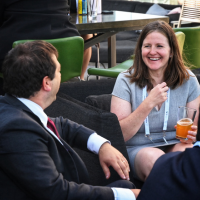
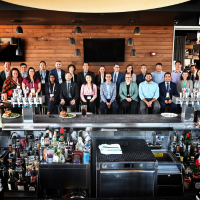
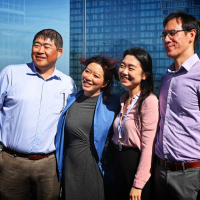
On Sunday, October 5, 2025, against the backdrop of a sunny Chicago skyline, the ASTS Pipeline Committee and ACS Liaison Workgroup hosted its inaugural Fellows Networking Reception at the VU Rooftop Bar — just one block from the main convention hotel. The event welcomed newly matched ASTS fellows and brought them together with fellowship directors, ASTS leadership, and transplant surgeons. Approximately 33 attendees, including 10 incoming fellows, gathered at the reception, lingering well past the end to continue conversations with new connections. The vision for the event grew from a simple observation. "Many general surgery residency programs send their graduating chiefs to the ACS meeting, so this felt like an ideal opportunity to welcome our newly matched fellows into ASTS — a bookend to the Fellows Symposium," said Dr. Juliet Emamaullee, who chaired the event. "Particularly in the era of Zoom interviews, many fellows do not meet each other in person and miss the opportunity to network early in their careers. The hope was that the newly matched fellows would be able to meet each other and become friends, while also interacting with ASTS members and leadership."
Given that transplant surgery is a relatively intimate community, the precedent set by early relationships forged at the start of fellowship can shape an entire career. "Transplant fellowship is only two years, and most surgeons change jobs within their first five years in practice," noted Dr. Tsuyoshi Todo, fellowship director at Cedars-Sinai Medical Center. "Having a strong network allows for more opportunities for future professional and career development." Dr. Thomas Pham, fellowship director at Stanford University echoed that sentiment, adding that as surgeons pursue subspecialty training, the community grows smaller and more interconnected. "You will find each other again at local, regional, and national meetings. As you connect, you will find individuals with similar interests and challenges — this is a great start to future collaborations."
What made this event particularly valuable, attendees noted, was its casual format. "It is a great chance to meet some of the leaders in the transplant community in a relaxed setting," said Dr. Todo. "Unlike a job interview, these events allow trainees to get to know the people they might be working with in the future." Dr. Pham added that the structure gave fellows rare access to program directors with a genuine stake in their growth, stating the event was "a great start to developing connections that will help jump start their careers."
The enthusiasm was not limited to the fellows. One of the more unexpected takeaways was the strong turnout from established ASTS members. "We did not anticipate the very high interest from existing ASTS member surgeons in having an opportunity to network with other transplant surgeons at the Clinical Congress," said Dr. Emamaullee. "That also speaks to member engagement more broadly, beyond just the pipeline."
With the ACS Clinical Congress moving to Washington, D.C. in September 2026, ASTS is looking ahead and intending to offer this event for future matched fellows. "This is a clear investment by our leadership to engage future transplant surgeons right when they are learning the art and science of our profession," Dr. Emamaullee said. "Transplant surgery is a small community, and having that peer network is crucial. Learning about the value of ASTS membership and opportunities for involvement right from the beginning of training is how we will engage our future leaders in the field."