News
Heritage Month: Hear from Stuart Greenstein, MD
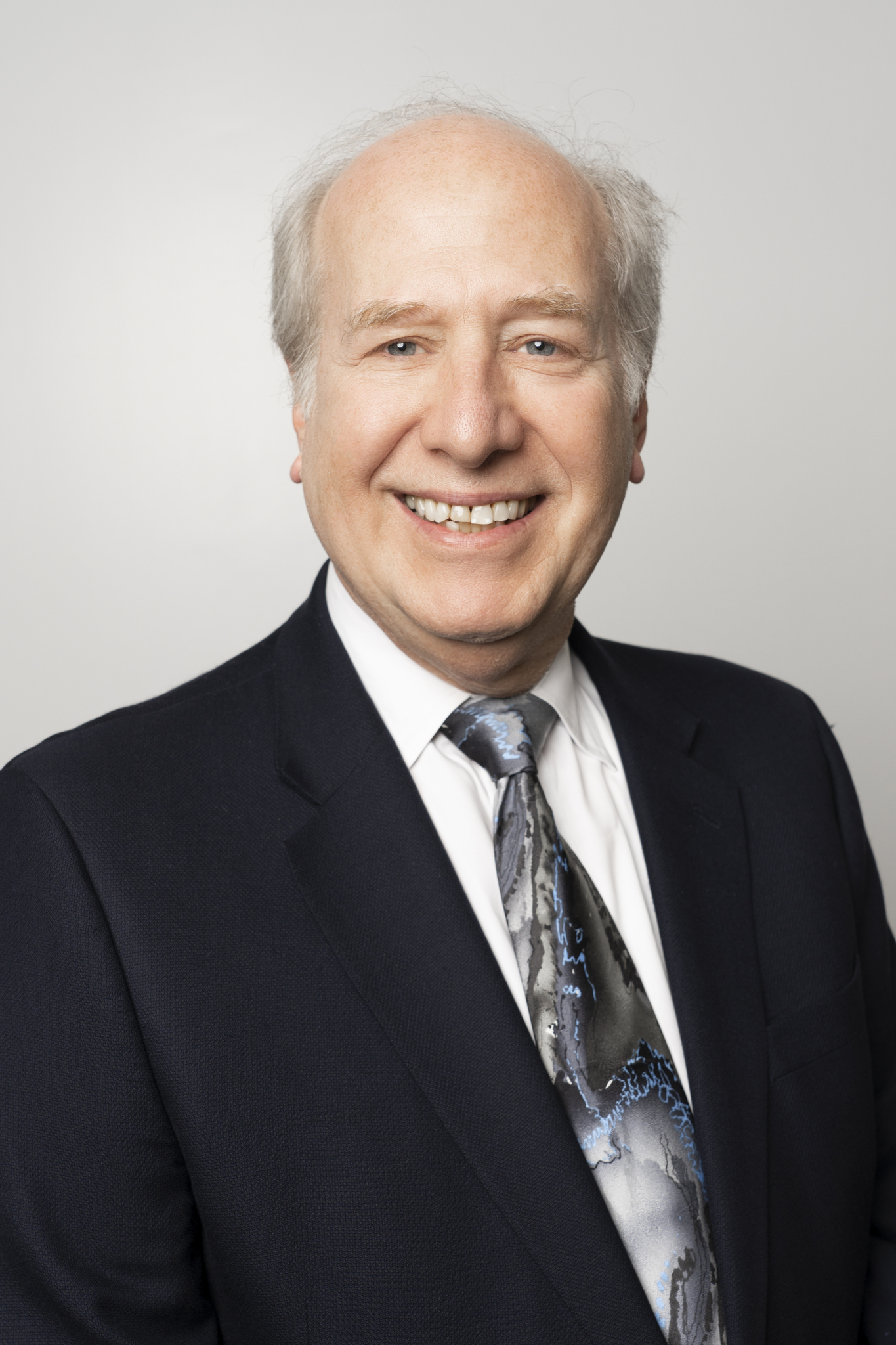
Growing up Orthodox Jewish, I was raised with a deep respect for the sanctity of life and the responsibility we have to care for one another. That foundation ultimately shaped both my personal beliefs and my professional calling. I have been practicing transplant surgery since 1986, and throughout my career I have had the privilege of caring for patients and families during some of the most vulnerable and meaningful moments of their lives.
My experience as both an Orthodox Jew and a transplant surgeon also led me to help start Renewal, a faith-based organization dedicated to facilitating live kidney donation. What began as an effort to help members of the Orthodox Jewish community navigate kidney transplantation has grown into a broader movement that has helped save countless lives. Renewal demonstrated something I had long believed: faith and transplantation are not in conflict — in many ways, they are deeply aligned.
As a transplant surgeon, I have witnessed firsthand the extraordinary impact of organ donation and transplantation. I have seen patients who were critically ill regain years with their families, return to work, celebrate milestones, and reclaim hope. I have also seen the courage and generosity of donor families and living donors whose decisions transformed lives. Those experiences reinforce every day why this work matters so deeply.
My Orthodox Jewish-American heritage has always been central to how I approach medicine. In Judaism, preserving human life — pikuach nefesh — is regarded as a sacred duty. For me, transplantation is a profound expression of that value. Although Orthodox Judaism is often misunderstood as opposing organ donation and transplantation, many rabbinic authorities view them as profound acts of saving human life. When donation has the potential to preserve or restore life, it is strongly supported within Jewish law and tradition. I believe it is important for people to understand that religious commitment and modern medicine can work hand in hand.
Within Jewish communities, there can still be uncertainty or lack of education surrounding organ donation, particularly around religious definitions, and end-of-life considerations. Organizations like Renewal have helped open conversations, educated families, and provided support throughout the transplant process. Education and open dialogue have the power to break down fear, challenge misconceptions, and foster understanding.
I would encourage healthcare professionals to recognize the diversity that exists within Jewish-American communities. Many orthodox patients may have specific religious practices, dietary considerations, Sabbath observance concerns, or preferences about communication and decision-making that are important to respect. Taking the time to understand those needs builds trust and strengthens patient care. Compassionate cultural sensitivity can make an enormous difference for patients and families navigating serious illness or transplantation.
Sharing my story during Jewish American Heritage Month is deeply meaningful because representation matters. I hope my experience shines a light on the profound values of compassion, responsibility, and the sanctity of saving human life that are woven into Jewish tradition. More importantly, I hope it opens hearts, sparks meaningful conversations about organ donation, and helps break down the misconceptions that too often surround transplantation within faith communities.
After nearly four decades in transplant surgery, I remain inspired by the resilience of patients, the extraordinary generosity of donors and their families, and medicine’s remarkable ability to create hope where there was once uncertainty. At the end of the day, we are all connected by our shared humanity — we all experience joy and sorrow, and we all bleed when wounded. In Jewish tradition, every human being is believed to be created in the image of G-d, a belief that affirms the inherent dignity and value of every life. Transplantation is more than a medical achievement; it is a profound expression of compassion, faith, and our shared responsibility to care for one another and preserve human life.
In conclusion, I hope this inspires others to lead with compassion, embrace understanding over misconception, and recognize the extraordinary gift that organ donation can offer to another human life!